


Description
ACCORDION
The accordion is a free reed instrument of the aerophone group.
Description of the instrument
It has two wooden boxes, one (which is played with the right hand) with buttons or keys to give the melody, and the other (which is played with the left) that gives the bass notes and the chords of the accompaniment. the two boxes there is a bellows.
Way of playing
The bellows, which opens and closes with the arms, sends the air that makes the reeds vibrate.
History
After the diatonic accordion came the chromatic accordion. This could be of two types: with buttons on the right side (called chromatic) or with keys (known as a "piano" accordion).
The accordionists, like the trikitilaris, went from town to town participating in all kinds of festivals and popular celebrations.
This instrument, which has more musical resources than its diatonic relatives, initially put the trikitixa into a corner, but later, although we do not know why, it has lost strength in the world of popular music and the trikitixa has prevailed over it.
We must not forget the chromatic accordions that "Larrinaga-Guerrini" from Donostia made. Instruments of great prestige and quality have come out of this workshop.
To finish this section, we want to mention the influence accordionists have had on the repertoire of trikitilaris. On many occasions, the trikitilaris have adopted new music, pieces and dances of these accordionists to expand their repertoires and it is very evident that since the mid-20th century we have been listening to fandangos, arin-arin and new marches, learned or commissioned from accordionists.
SOURCES
Bibliography
HARANA, Mielanjel; TAPIA, Joseba; BERGIZES, Aingeru. (1998). Gelatxo. Zarautz: Euskal Herriko Trikitixa Elkartea.
Discography
LARRAÑAGA, Isidro. (1979). Euskal Herriko Dantzak. IZ. IZ-123.
YANZI, Pepe. (1972). Lesaka. Edigsa-Herri Gogoa. HG-48.
ZELAIA, Enrike. (1982). Araba. Elkar. ELK-53.
(1986). Nafarroa. Elkar. ELK-HG-147.
(1987). Bizkaia. Elkar. ELK-HG-206.
(1987). Gipuzkoa. Elkar. ELK-HG-177.
trikitixa
The trikitixa is a pseudo-diatonic accordion, a free reed instrument of the aerophone group.
Description of the instrument
The instrument that we know as trikitixa or soinu txiki is a pseudo-diatonic accordion. It has two wooden boxes: one with buttons to give the melody (it is played with the right hand) and the other that gives the notes and chords of the accompaniment (it is played with the left). the two boxes is the bellows. The instrument, unlike the chromatic ones, does not give the entire chromatic scale both closing and opening since the melodic buttons give a note when opening the bellows and another when closing, like harmonicas.
Way of playing
The bellows opens and closes by operating it with the arms, causing the air produced to vibrate the reeds.
History
It is the most recent of the Basque popular instruments. This accordion burst with force at the end of the 19th century in all corners of the music of our country, in urban and rural areas. But it was in the latter where it reached the category of "popular."
He settled in the environment of old instruments such as the txistu, the alboka and the dulzaina, assimilating their repertoire to a great extent.
From the mixture and the sum of the repertoire of these old instruments and the new resources of this new instrument, a new and own musical style emerged within Basque popular music. This is what we know today as the trikitixa style.
The way trikitilaris learn is not academic at all. On the contrary, they learn like the txistularis, dulzaineros and albokaris of the rural areas, that is, they try to learn the music and style they have known on their own and by ear.
On the one hand, they maintain the fundamental characteristics of the old style and on the other, their polyphonic-harmonic character allows them to enrich this music.
In many cases it was the families who played with older instruments who took this accordion into their hands; sometimes it was the same people who had gone from the old to the new instrument.
At the beginning of the 20th century, it appears forming a group with the txirula and the atabal, and also grouped with the dulzaina and the tambourine. In this last way it has been maintained to date in a few places. But the greatest success and popularity has been achieved (mainly in Gipuzkoa and Bizkaia) accompanied by tambourines and couplets. This is the best-known traditional group of trikitixa.
Today we cannot talk about Basque popular music without mentioning the trikitixa. Since it is this one that preserves some of the most important treasures of our popular music, taken from the old musicians who previously walked in our land.
This instrument is known by different s. It is known as accordion, soinu, soinu txiki and trikitixa. The trikitixa could come from the onomatopoeic sound "triki triki" given by the metal plates of the tambourine that accompanies it. Another curious this instrument has had is infernuko hauspoa (infernal bellows). Although it was quickly accepted among the population, this indicates that at first it had problems with the Church, since, among other reasons, in addition to playing in the "loose" (suelto) dance, in the squares and pilgrimages they also played the "grabbed" (agarrado) dances of the time that were not well seen by the ecclesiastical authorities.
Although it is new, the trikitixa has a long history in the Basque Country. There are great s that have created school and style in the trajectory of this instrument.
Although these accordions were originally brought from other European countries, local construction began at the beginning of the 20th century. The best-known brands have been "Zengotita" in Bilbao and "M. Larrinaga" and "Larrinaga-Guerrini" in Donostia. Those made in the latter have undoubtedly been the most appreciated among our old accordionists. It is a pity that today we do not have builders and that having so many fans and so many musicians, and a properly Basque way of interpreting, we do not have our particular sound (Beltrán, 1996, p. 88-90).
Current situation
Although for some years it seemed to decline, in recent times, mainly from the 1980s, it has had a great diffusion and growth. It is heard in every corner, both in rural and urban settings, many schools have emerged that bring together hundreds of students. The events and conferences organized by different associations such as "Trikitixa Days", the tributes to the old trikitilaris and the trikitixa championships are very important and all of them very successful.
SOURCES
Bibliography
AGUIRRE, Rafael. (1992). Trikitixa. Donostia: Kutxa.
BELTRAN ARGIÑENA, Juan Mari. (1996). Soinutresnak euskal herri musikan. Hernani: Orain.
Euskal Herriko Trikitixa Elkartea. Soinuaren Liburutegia.
Discography
AUNTXA TA ITURBIDE. (1979). Urrestillako Trikitixa. IZ-100.
BELTRAN ARGIÑENA, Juan Mari. (2017). Soinu-tresnak Euskal Herri Musikan. 1985-2010. Elkar-Soinuenea Fundazioa. KD DVD-E 968.
EUSKADIKO TRIKITIXA TXAPELKETA. (1971). Euskadiko Trikitixa Txapelketa. Edigsa-Herri Gogoa. HG-43.
(1979). Euskadiko Trikitixa Txapelketa. IZ. IZ-118-119.
(1980). Euskadiko Trikitixa Txapelketa. IZ. IZ-129-130.
(1982). Euskadiko Trikitixa Txapelketa. IZ. IZ-167-168-169-170.
(1985). Euskal Herriko XIII. Trikitixa Txapelketa. 1985. IZ. IZ-220-221.
(1986). Euskal Herriko Trikitixa Txapelketa. 1986. IZ. IZ-258-259.
(1988). Euskal Herriko XV. Trikitixa Txapelketa. 1988. IZ. IZ-300-301.
(1991). Euskal Herriko XVI. Trikitixa Txapelketa. 1991. IZ. IZ-354-355.
IÑAKI eta RAMON. (1984). Albisturko trikitixa. IZ. IZ-198.
KEPA, ZABALETA eta MOTRIKU. (1987). Kepa, Zabaleta eta Motriku. Elkar. Elk-152.
LAJA ETA LANDAKANDA. (1979). Laja eta Landakanda. IZ. IZ-107.
(1981). Laja eta Landakanda. IZ. IZ-141.
MAIXA eta ITZIAR / IKER eta LARRAITZ. (1993). Maixa eta Itziar / Iker eta Larraitz. Elkar. ELK-346.
MALTZETA AITA-ALABAK. (1981). Maltzeta aita-alabak. IZ. IZ-139.
MARTIN eta ITURBIDE. (1979). Martin eta Iturbide. IZ. IZ-124.
SAKABI - EGAÑAZPI. (1975). Trikitilariak. Edigsa-Herri Gogoa. HG-125.
TAPIA eta LETURIA. (1987). Jo eta hautsi. Elkar. ELK-147.
Filmography
BELTRAN ARGIÑENA, Juan Mari. (2017). Soinu-tresnak Euskal Herri Musikan. 1985-2010. Elkar-Soinuenea Fundazioa. KD DVD-E 968.
LARRUKERT, Fernando. (1978). Euskal herri-musika. Euskadiko Filmategia.
Image gallery


Video
Audio
KALEJIRA
Euskal Herriko Trikitixa Elkartearen Soinuaren Liburutegia bildumako 1. zenbakian, Koldo Izagirrek idatzitako Elgeta, sasiaren sustraiak liburuarekin batera audio CD bat dator:
“Pepe Andoain soinu joleak bere etxean, Donostiako Alde Zaharrean dagoen Bar Baserriren gainean grabatua 1960 edo 1964 urteen artean. Elgeta hil eta urtebetera Balentin Aldalur “Zialtzeta”-ri saldu zion Pepe Andoainek grabaketa originala. Konpakto honetan entzungai duzuena originalaren kopia bat da. Ez dugu ezer aldatu nahi izan, grabazioa bere akats eta guzti utzi dugu dokumentuaren balorearen alde.”
Argitalpen horretako Kalejira tituludun 6. pieza aukeratu dugu.
Soinularia: Jazinto Rivas Sanz Intxuzabal edo Elgeta.
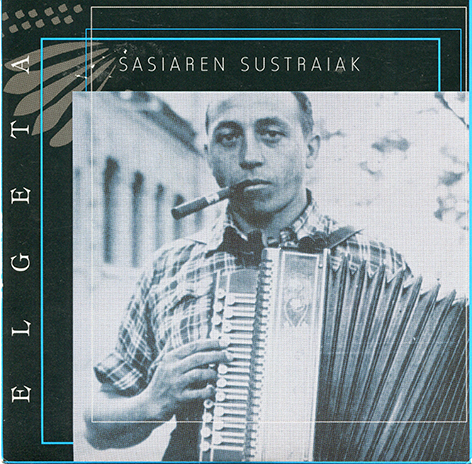
Elgeta, sasiaren sustraiak liburuko CDaren azala. (Iturria: EHTE)
LOIOLAKO FANDANGOA-URRESTILLAKO ARIN-ARINA
Euskal Herriko Soinu Tresnak proiekturako Juan Mari Beltranek 1984an grabatutako saioetatik hartu ditugu Urrestillako bikote ospetsu honen fandango eta arin-arin dantza klasikoak.
Soinulariak: Antonio Aranaga Auntxa (soinu-txukia), Migel Arregi Iturbide (panderoa).
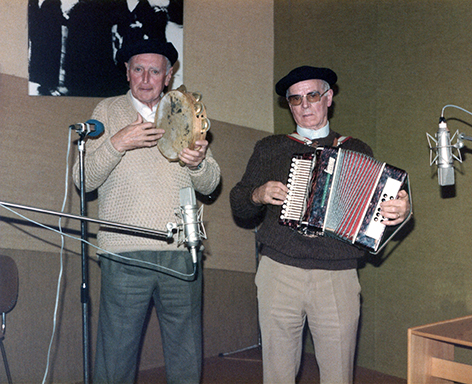
Iturbide eta Auntxa grabazio saioan. Donostia, 1985eko urtarrilean. (Arg.: JMBA)
PASODOBLEA
Euskal Herriko Trikitixa Elkartearen Soinuaren Liburutegia bildumaren 3. zenbakian, Xabier Amurizak idatzitako Rufino Arrola. Vulkanoren atzamarrak liburuarekin batera izenburu bereko audio CD bat dator. Agarrauko piezek garai hartako soinujoleen errepertorioan zuten presentzia handia kontuan harturik, bilduma honetarako 4. pieza den Pasodoblea aukeratu dugu. Lemoizko Andrakako auzokoa zen Rufino Arrola Andrakako Errementaria (1909-1996).
Soinulariak: Rufino Arrola (soinu-txukia).
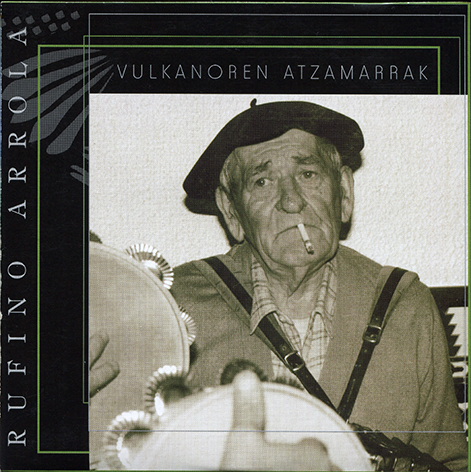
Rufino Arrola. Vulkanoren atzamarrak liburuko CDaren azala. (Iturria: EHTE)
LEHENENGOA ETA BIGARRENA
Akordeoi bisoinu modeloen soinujolea izan zen Fasio. 13-14 urte zituenetik bere musikari-plaza defendatu zuen Arratiako hainbat herritan, hala nola Lemoan, Areatzan edo Igorren, beti bakarka, 60 urte bete zituen arte. Berak kontatzen zuenez, musika-hastapenak ikastera Bilbora joan zen, Celestino Rodriguezengana.
Etxetik hurbilago Pedro Egia Etxebarria Popon soinu-jolea ezagutu zuen (Arantzatzu, 1888-1977), Fasioren arabera Arratiako zaharrena. Pedrok bizartegi bat zeukan bere herrian, eta bezeroak entretenitzeko melodeoi bat zeukan denen eskura; bezeroak piezak jotzen saiatzen omen ziren. Urteekin, Fasiok Poponen errepertorioa ikasi zuen, tartean, hona ekarri ditugun Poponen Lehenengoa eta Bigarrena. Biak errepertorio zaharrekoak eta sonoritate berezikoak dira.
Soinularia: Bonifazio Arandia Uriarte Fasio. Igorre (Bizkaia) (1909-1987).
(Grabazioa: Aingeru Berguicesen artxibotik hartua)
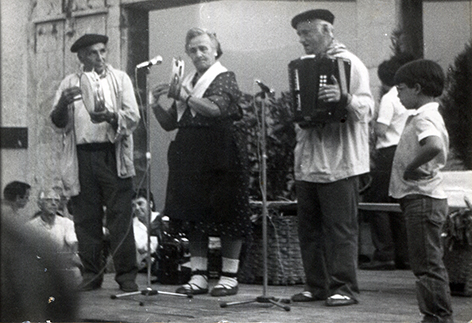
Leon Bilbao, Maurizia Aldeiturriaga eta Bonifazio Arandia Fasio. Lasarten 1984ko sanpedroetan. (Arg.: Soinuenea)
JOTA ETA ARINEKOA
Roberto Etxebarria trikitilarien belaunaldi berriko soinujole trebea dugu. Kepa Arrizabalaga pandero-joleak lagundu dio urte askotan; aurreko belaunaldiko soinujoleen laguntzaile ere izan zen Kepa, eta urte asko egin zituen Rufino Arrolarekin bereziki. Belaunaldien arteko zubi-lana egin zuen beraz.
2009ko apirilaren 4ean, Herri Musikaren Txokoak Oiartzunen antolatutako HM Udaberriko kontzertuan Roberto Etxebarria eta Kepa Arrizabalaga bikoteak eskainitako emanaldikoak dira hemen entzun daitezkeen Jota eta arinekoa.
JOTA
Errekan dago harrie
harren gainean txorie,
neskatxa kolore gorri
mutil engainagarrie,
Aita gureak amari,
gona gorria ekarri,
luze dala labur dala.
Garri-garritik ebagi
Mendi gainean lainoa
Errekondoan izotza
Asunberri bat edanda
Anima leike bihotza
Hauxe da despedirea,
Euskaldunaren antzera,
Ahalegintxu egin dogu eta
Orain bagoaz etxera.
ARIÑEKOA
Txiki-txikitxue ta
poli-politxue,
nori emon dotzezu
neuri agindue.
Amama koitedea
Gortatik negarrez
Katuak eron dotzo
Taloa dandarrez.
Sarriten pasatzen da
Errekatik ure,
Atzo bustitakoa
iñok ez do gure
Akaberia da ta
Ez hedi larritu
Barriro bere laster
Etorriko gaituk.
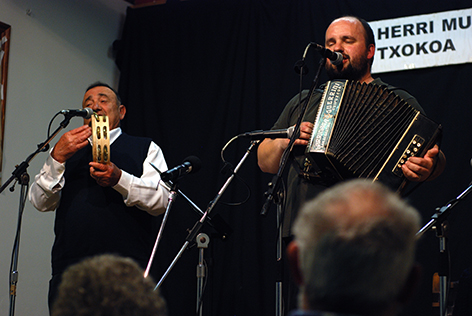
Kepa Arrizabalaga eta Roberto Etxebarria HM Udaberriko kontzertuan. Oiartzun, 2009/04/04. (Arg.: Soinuenea)
FANDANGO VASCO
Solo de acordeón. Vicente Altuna. Odeon ODEON 182.584 erreferentziarekin 1930ean Bartzelonan argitaratutako diskoan Vicente Altunak interpretatutako bi pieza agertzen dira: FANDANGO VASCO (SO 5351) eta AURRESKU (SO 5352). Lehenengoa aukeratu dugu bilduma honetarako.
Vicente Altuna akordeoilari gipuzkoarra ezezaguna da guretzat, baina entzundako musikagatik Altunak oso garbi eta trebetasunez jotzen du, akordeoi handi batekin. Joaldietan tonu maior eta minorren arteko modulazioekin jolasten du, eta abesti amaieran baxuen gurutzaketa tipikoa egiten du. Vicente Altunak akordeoilari bakarlari gisa gutxienez gramofonoko hiru disko ditu, eta beste bi Angel Lizarraga tenorrarekin batera grabatuak.
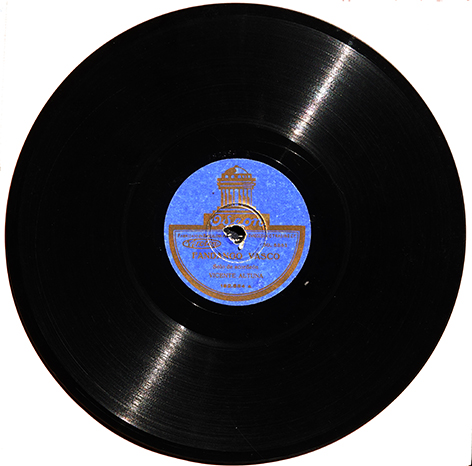
Fandango Vasco. Odeon. SO5351. (Iturria: A. Berguices artxiboa)
KUKINIKORDAKA (ARIN-ARIN)
Jose Iantzi (Pepe Yanci) akordeoilari eta musikagile ezaguna izan zen. 1940 inguruan Los Xey taldea sortu zuen eta hainbat bira egin zituen mundu zabalean. Iantziren lana oso ugaria da, eta bere akordeoirako pieza batzuk oso ezagun egin dira. Enkarguz ere pieza asko konposatu zituen punta-puntako trikitilarientzat.
Arin-arin hau Belter diskoetxeak 1963an argitaratutako Bailables Vascos izeneko LPtik hartu dugu. Soinularia: Jose Iantzi Pepe Yanci (Lesaka, 1917 – Donostia, 1985).
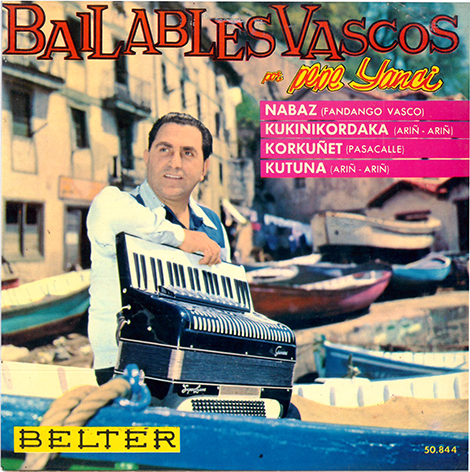
Pepe Yanci-ren Bailables Vascos diskoaren azala. (Iturria: Belter, 50844)
BAGATEL
Bagatel izeneko musika piezak Baxenafarroan jotzen dira kabalkadetako dantzariek desfilatzeko. Bagatel hau Jean-Christian Irigoien Galtxetaburuk konposatu zuen.
Jean-Christian Irigoyen, Gamarteko akordeoilaria, Beñat Irigoyen Galtxetaburu Baxenafarroako akordeoilari ospetsuaren semea da. Hamaika musika proiektutako partaidea izanik, Iparraldeko herri-musikaren erreferentzietako bat da.
Grabazioa: 2022/08/25ean Montorin (Zuberoa), Ibarule Etxean grabatuta.
Teknikaria: Pierre Vissler. Soinularia: Jean-Cristian Irigoyen Galtxetaburu.
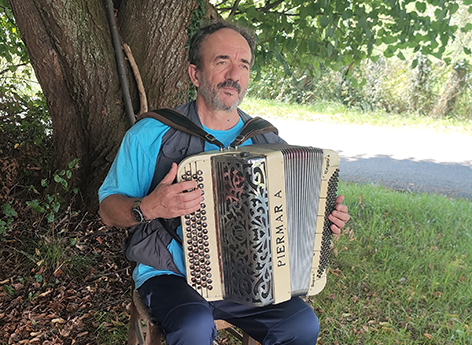
Jean-Cristian Irigoyen Galtxetaburu. (Arg.: Galtxetaburu)
HEGALDIA
Joxan Goikoetxea XX. mende bukaerako akordeoilari emankor eta aipagarria dugu. Hegaldia izeneko akordeoi hutsezko inprobisazio hau 1993ko urtarrilean grabatu zen, Juan Mari Beltranekin argitaratutako Egurraren orpotik dator… diskorako (NO-CD Rekords, 1993. CD-NO 04).
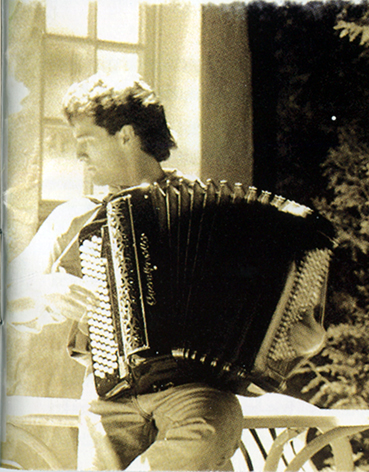
Joxan Goikoetxea Egurraren orpotik dator… grabatzeko saioan. (Iturria: Goikoetxea & Beltran, Egurraren orpotik dator. NO-CD. CD-NO 04)
Fandangoa. Luis Astiasaran. Amasa, 1999.
Labaiengo ingurutxoa. Pepito Yantzi. HG 48. Herrikoi Musika Sorta 10. Lesaka.
Full sheet
- Number:
- 62
- Classification:
- Aerophones -> Reeds -> Single Free
- Notes:
- ACCORDION


